

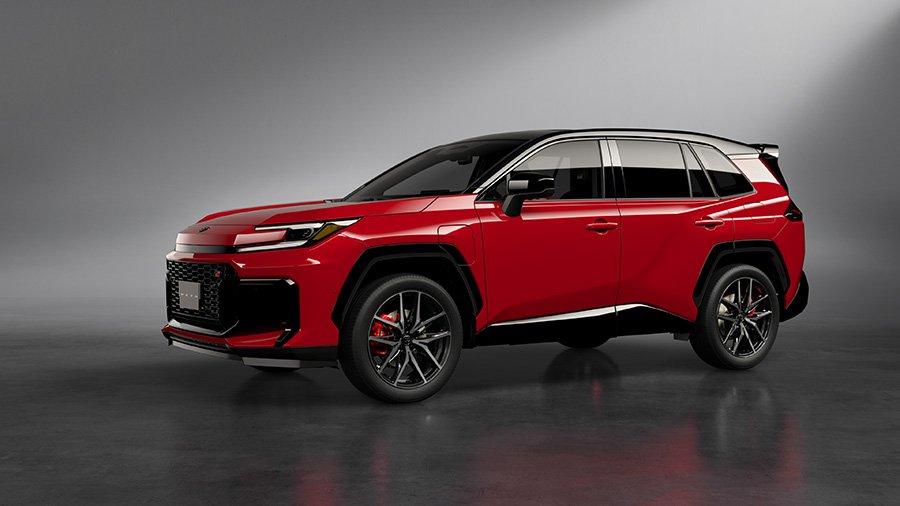
The Toyota RAV4 has long been a cornerstone of the compact SUV market — and with its 6th-generation redesign, Toyota is doubling down on electrification, modern technology, and rugged versatility. In this post, we’ll dive deep into what makes the new RAV4 a compelling choice in 2025–2026, covering design, performance, powertrains, trims, features, safety, and real-world relevance.
1. Introduction: Why the 6th-Gen RAV4 Is a Big Deal
Toyota officially revealed the all-new 6th-generation RAV4 in May 2025. This is a landmark shift: for the first time, RAV4 will be fully electrified, offering only hybrid (HEV) and plug-in hybrid (PHEV) options globally.
This generation brings three distinct design themes — Core, Rugged, and Sport — with multiple grades under each. The GR SPORT trim also makes its debut, adding a performance-oriented flavor to the lineup.
2. Design & Dimensions: Bold, Modern, and Purposeful
Exterior Design
The 6th-gen RAV4 maintains the familiar silhouette but features sharper lines, more muscular styling, and a refreshed front end. Toyota divides its design language into three styles:
- Core: Clean, modern design — available in LE, XLE, and Limited.
- Rugged: Off-road inspired; the Woodland grade has a raised ride height, all-terrain tires, and a split grille.
- Sport: Athletic look, with aggressive trim lines; includes SE, XSE, and the GR SPORT which pairs performance tuning with a PHEV powertrain.
Dimensions & Packaging
- Length: ~ 4,595 mm
- Width: ~ 1,855 mm
- Height: ~ 1,700 mm
These dimensions are very close to the previous generation, but Toyota has added structural reinforcements to the TNGA-K platform, improving rigidity and NVH (noise, vibration, harshness). - Cargo capacity: According to some sources, the interior packaging is optimized, offering a generous luggage area.
3. Powertrains & Performance: Electrified Only
One of the biggest changes in the 6th-gen RAV4 is the elimination of pure gasoline engines. Toyota is now all-in on electrification, offering two main powertrain types:
Toyota RAV4 (6th Generation) – Features Table
| Category | Feature | Specification / Description |
|---|---|---|
| Powertrain | Hybrid Option | 2.5 L petrol + electric motor |
| Plug-in Hybrid (PHEV) | 2.5 L petrol + front + rear electric motors | |
| Combined Power (PHEV AWD) | ~227 kW system output | |
| 0–100 km/h (PHEV AWD) | ~5.8 seconds | |
| Battery & Charging | PHEV Battery Capacity | 22.7 kWh lithium-ion |
| AC Charging | Up to 11 kW on-board charger | |
| DC Fast Charging | 50 kW (PHEV) | |
| Electric Range (PHEV) | EV Range | ~100 km (WLTP) |
| Platform | Chassis Platform | TNGA-K platform |
| Drivetrain | Drive Options | FWD or AWD (i-Motor system for AWD) |
| Transmission | Hybrid Transmission | CVT (for HEV models) |
| Rear Motor (PHEV) | Rear Electric Motor | Dedicated AC motor (AWD PHEV) |
| Battery Chemistry | HEV Battery | Nickel-metal hydride (for hybrid) |
| Dimensions | Length | ~4,595 mm |
| Width | ~1,854 mm | |
| Height | ~1,699 mm | |
| Safety & Driver Assistance | Safety Suite | Toyota Safety Sense (latest version) |
| Lane Change Feature | Turn signal-linked autonomous lane change | |
| Cross-Traffic Alert | Front Cross Traffic Alert | |
| Infotainment & Technology | Software Platform | “Arene” connected car software |
| Displays | Central touchscreen + digital instrument cluster | |
| Voice Assistant | “Hey Toyota” voice command system | |
| Design & Trim | Trim Themes | Core, Rugged (Woodland), Sport (GR Sport) |
| GR Sport Variant | Performance-tuned suspension, sporty design | |
| Thermal Management | Battery Thermal System | Improved cooling / heating for PHEV battery |
A. Hybrid (HEV)
- Uses a 2.5-liter petrol engine with electric motor(s).
- FWD version: 226 hp.
- AWD version: Adds a rear electric motor; total system output is around 236 hp.
- Fuel efficiency: Very strong — according to Cars.com, some versions can reach up to 44 mpg combined (city + highway) thanks to hybrid synergy.
- Acceleration: MotorTrend reports 0-60 mph in ~7.0 seconds for the hybrid AWD model.
B. Plug-in Hybrid (PHEV)
- Battery: Uses a 22.7 kWh lithium-ion battery pack.
- Electric range: Estimated up to 52 miles of pure EV driving (manufacturer claim).
- Power output: Up to 320+ hp for some PHEV variants, depending on market and grade.
- Charging: Impressively, the PHEV supports DC fast charging in certain trims (XSE, Woodland), which is rare for plug-in hybrids.
- DC Charging Speed: Can go from ~10% to 80% in about 35 minutes on a ~50 kW charger.
4. Trim Levels: Style + Substance
The 6th-gen RAV4 comes in seven grades, spread across three design themes:
- Core: LE, XLE, Limited
- Rugged: Woodland
- Sport: SE, XSE, GR SPORT Toyota Media
GR SPORT
- Developed in partnership with Toyota GAZOO Racing. Toyota USA Newsroom
- Uses the PHEV powertrain with AWD, but tuned for sportier handling.
- Unique styling touches, sport seats, and performance-focused chassis setup.
Woodland Trim
- Built for off-road adventure: higher ground clearance, all-terrain tires, and rugged exterior styling.
- Available in both HEV and PHEV versions, with AWD standard.
5. Interior, Comfort & Technology
Toyota didn’t just revamp the powertrains; it upgraded the interior and tech in a big way.
Dashboard & Cockpit
- New Arene software platform: This underpins the multimedia system, the cockpit voice agent, and advanced safety systems.
- Instrument cluster: 12.3-inch digital display. www.ndtv.com
- Center touchscreen: Options of 10.5-inch or 12.9-inch depending on trim. Car and Driver+1
Infotainment & Connectivity
- The new Toyota Audio Multimedia system supports voice commands, “Hey, Toyota,” for navigation, climate, and other controls. Toyota Media
- Over-the-air (OTA) updates: Because of the Arene platform, the system can be updated remotely.
- USB-C ports, wireless Apple CarPlay / Android Auto (likely, based on modern Toyotas).
- Multiple screen sizes and digital-first layout give a modern, clean feel.
Comfort & Utility
- Spacious cabin: Thanks to smart packaging and platform improvements, there is a good mix of passenger room and cargo space.
- Improved cargo capacity over previous generation in some markets.
- Storage: Well-designed cubbies, glove box, center console, and practical storage areas.
- Materials: Depending on trim, soft-touch surfaces, possibly premium stitching, and good build quality — though some reviews mention hard plastics in lower trims.
6. Safety & Driver Assistance: Next-Gen Protection
Safety has been significantly upgraded in this generation, thanks to both hardware and software improvements.
Toyota Safety Sense 4.0
- New version of Toyota’s advanced driver-assistance suite is enabled by the Arene platform.
- Likely includes: Pre-collision system, lane-keeping / lane tracing assist, adaptive cruise control, automatic high beams, cross-traffic alert, etc.
- Improved responsiveness and integration with cockpit voice system and voice assistant.
Structural & Passive Safety
- Reinforced chassis and subframe thanks to upgraded TNGA-K platform.
- Better crash safety and reduced NVH due to stiffer structure.
- Likely multiple airbags, strong body design, and standard safety hardware in all trims.
7. Driving Experience: On-Road and Off-Road
On-Road Driving
- The HEV version offers a smooth, efficient ride with instant torque from the electric motor, especially in city driving.
- The fast acceleration from the PHEV (with its higher output) makes highway merging more confident.
- Handling: Expect a balanced ride — more composed than purely off-road SUVs, but rugged enough to inspire confidence.
Off-Road / Rugged Use
- The Woodland trim is explicitly targeted for all-terrain driving with its higher ride height, AWD, and off-road tires. Toyota Media
- For more sporty driving, the GR SPORT trim provides tuned suspension and handling dynamics.
- The PHEV’s battery placement (underfloor) potentially lowers the center of gravity, improving stability. https://www.topgear.com.ph
Electric Driving (PHEV)
- With ~52 miles of EV range, the PHEV is capable of handling many commutes on electric power alone.
- DC fast charging allows quick recharges on long trips — useful for plug-in users who don’t want to rely solely on wall chargers.
- The hybrid system ensures smooth transition when the battery depletes, giving flexibility and reducing range anxiety.
8. Efficiency & Range: Fuel Economy and Electric Range
Hybrid (HEV)
- Fuel economy is a key strength: the FWD hybrid model is rated very high by Cars.com with up to 44 mpg (combined).
- AWD hybrid is also efficient, with decent city/highway numbers thanks to the evolved hybrid system. MotorTrend
Plug-in Hybrid (PHEV)
- EV Range: ~52 miles (manufacturer-estimated) on a full charge.
- Fast Charging: DC fast-charging support in select trims (XSE, Woodland) makes the PHEV more practical.
- Efficiency: For many drivers, the PHEV will reduce gasoline consumption significantly, especially for daily commutes or mixed use.
9. Pros & Cons
Here’s a balanced overview of the advantages and trade-offs of the 6th-gen RAV4:
Pros:
- Fully electrified lineup (HEV + PHEV) aligns with modern efficiency demands.
- Powerful PHEV option (up to ~320 hp) delivers strong performance.
- Electric-only range makes PHEV practical for daily driving.
- DC fast charging on PHEV for added convenience.
- Multiple design themes (Core, Rugged, Sport) offer versatility.
- Advanced software and infotainment thanks to Arene platform.
- Excellent fuel economy for HEV; high MPG numbers.
- Strong safety suite (Safety Sense 4.0).
- GR SPORT trim for performance oriented buyers.
- Woodland trim for adventure seekers.
Cons:
- No pure gasoline-only engine option — might deter traditional buyers.
- PHEV variants might come at a higher upfront cost.
- Charging infrastructure dependence for PHEV — not every driver will have fast-charger access.
- Hard plastics in some interiors (per reviews) may feel less premium.r
- Weight: PHEV powertrain + battery adds weight, which can affect handling.
- Maintenance complexity: Hybrid and PHEV systems may require more specialized servicing.
10. Real-World Impressions & Community Feedback
Owner Sentiment
- Many potential buyers are excited about the electrified direction. As one Reddit user noted: “The 2026 RAV4 is all-new … fully hybrid … the PHEV model now makes 320 hp.”
- Some users, however, are critical of design changes: “One big screen and no dash controls is a complete fail.
- Others appreciate the new off-road potential: “Woodland PHEV … AWD … all-terrain tires … very compelling for adventure use.
Expert Reviews
- Car and Driver lauds the switch to hybrid-only, citing significant fuel economy improvements.
- MotorTrend highlights the performance of the PHEV — the 320 hp figure and EV range make it a standout in its class.
- Road & Track emphasizes the practical inclusion of DC fast charging, making the PHEV more usable on long trips.
11. Use Cases: Who Should Consider the 6th-Gen RAV4?
Here are some ideal buyer profiles for the new RAV4:
- Commuters: The PHEV is perfect if you have a daily commute within its EV range — fewer gas stops, lower fuel costs.
- Family SUV Buyers: With its hybrid powertrains, strong safety features, and roomy interior, the RAV4 remains a dependable family choice.
- Adventure Seekers: If you like off-roading or weekend trips, the Woodland trim provides rugged capability with AWD.
- Performance Enthusiasts: The GR SPORT PHEV brings sport-tuned handling and strong acceleration.
- Eco-Conscious Drivers: Fully electrified, the lineup reduces emissions and supports greener driving without going full EV.
- Long-Term Owners: Hybrid systems often improve longevity and lower running costs in the long run.
12. Pricing & Availability
- Toyota has stated that the 6th-gen RAV4 will arrive in U.S. showrooms in winter 2025.
- The EPA-estimated combined fuel economy for the hybrid FWD version is impressive, which could save owners significant running costs over time.
- Pricing for certain trims has not been fully disclosed yet, but base models (hybrid) are expected to start in the low-$30,000s, according to official Toyota sources.
- The PHEV variants (especially GR SPORT and Woodland) may command a premium due to performance and battery tech.
13. Competitor Comparison: How the 6th-Gen RAV4 Stands Out
Compared to other compact SUVs — especially hybrids and PHEVs — the new RAV4 holds some strong advantages:
- Ford Escape PHEV: The RAV4’s EV range and DC charging capability are superior in certain trims.
- Hyundai Tucson Hybrid / PHEV: While stylish and efficient, some may prefer Toyota’s mature hybrid technology and reliability.
- Honda CR-V Hybrid: The RAV4’s power output (especially PHEV) and off-road-focused Woodland trim offer more versatility.
- Subaru Crosstrek Hybrid: The RAV4 delivers more EV range and more advanced infotainment + safety suite.
14. Sustainability & Environmental Impact
- By going fully electrified, the RAV4’s 6th generation supports Toyota’s broader sustainability goals.
- Hybrid and PHEV systems reduce carbon emissions compared to traditional ICE (internal combustion engine) SUVs.
- The PHEV’s EV-only range allows for zero-emission driving in many daily-use scenarios.
- Increased use of software (Arene platform) means future updates can improve efficiency, safety, and performance without hardware changes.
15. Final Verdict: Should You Wait or Buy?
Why You Should Consider the 6th-Gen RAV4 Now:
- Electrified powertrains bring both efficiency and performance.
- GR SPORT and Woodland trims provide exciting and practical options.
- New technology (Arene, bigger screens, DC fast charging) enhances usability.
- Excellent fuel economy, especially for hybrid buyers.
- Toyota’s reputation for reliability makes this a strong long-term purchase.
Reasons You Might Wait:
- If you prefer pure gas engines, this generation may not be for you.
- Pricing for PHEV variants may be on the higher side.
- If DC fast charging is not accessible in your area, the PHEV’s benefits may be less compelling.
- Early adopters may face initial inventory or supply constraints (typical of first-year models).
Bottom Line:
The 6th-generation RAV4 is a major step forward — blending Toyota’s dependable SUV heritage with modern electrified powertrains and software-defined capability. For a wide range of buyers — from eco-conscious commuters to adventure seekers — this flagship compact SUV offers a future-proof package that’s hard to beat.
